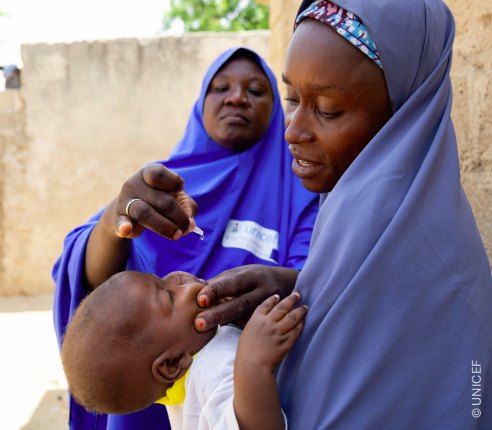
Polio Programming in Nigeria Is Addressing Gender-Related Barriers to Reach More Children with Immunization (GPEI, 2026)
This brief examines how gender norms shape vaccine access in Northern Nigeria, from fathers withholding consent to a shortage of women vaccinators able to reach mothers in conservative communities.
Readers will find real examples of what's working, including a program that mobilizes fathers to champion immunization, women's community networks that double as savings groups, and partnerships with traditional leaders to shift norms around who gets a say in a child's healthcare.