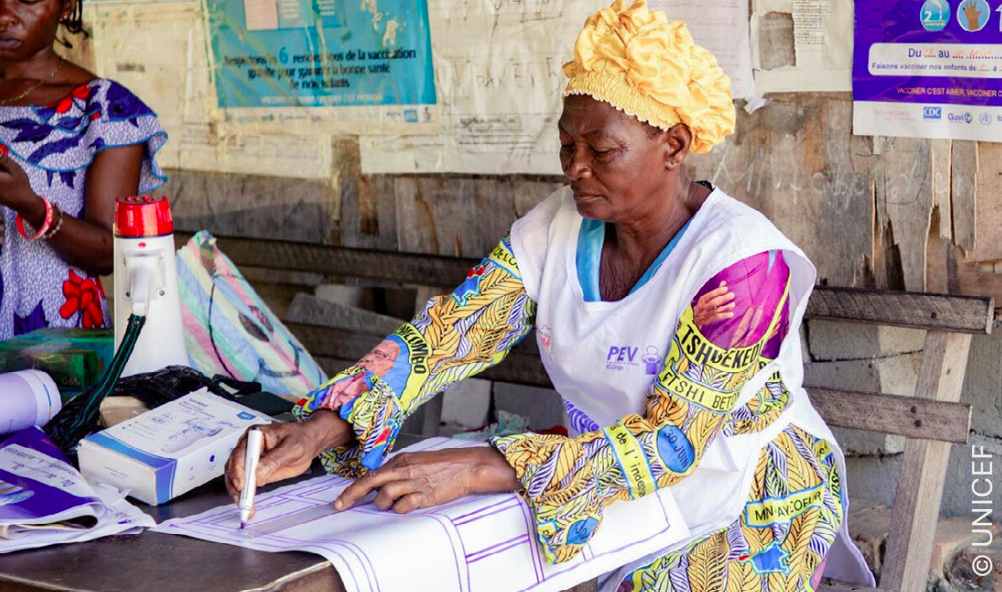
Addressing gender related barriers to immunization in DRC to improve polio vaccination coverage
This brief looks at how gender inequality has shaped polio vaccination coverage in the Democratic Republic of Congo, from women's limited decision-making power over their children's immunization to the safety risks facing women vaccinators in the field.
Readers will get a concrete look at what's actually working on the ground, including the Washindi approach to engaging men in child health and efforts to recruit more women health workers, alongside the systemic gaps still holding back progress.